
Auctions | October 14, 2025

Never Seen Before Photographs of Iran’s Constitutional Revolution to Auction

Roseberys

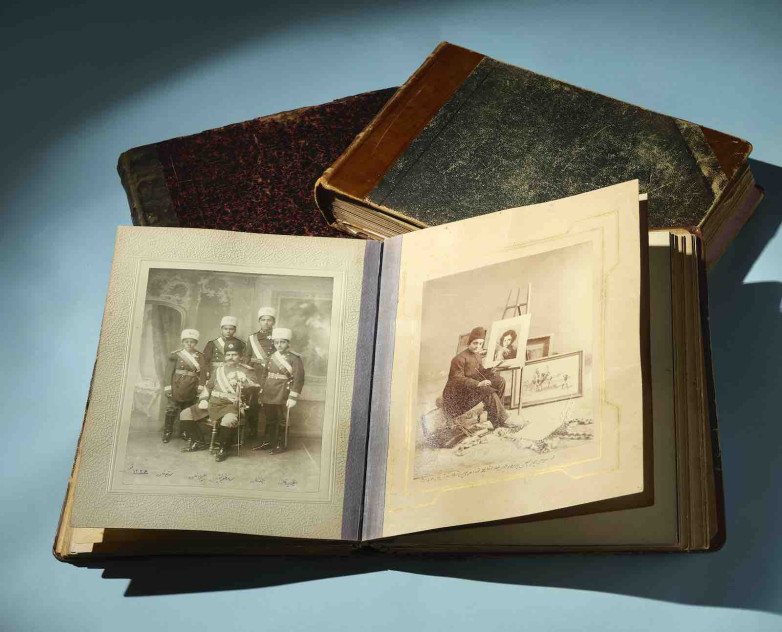
Three very rare albums of Qajar photographs, depicting events surrounding Iran's Constitutional Revolution. Estimate: £10,000 - £15,000.

Three albums containing previously unseen photographs of events surrounding Iran’s Constitutional Revolution (1905-1911) will be offered  at Roseberys on October 31 with an estimate of £10,000–£15,000. 

The albums have remained in private hands since the early 20th century and have never before appeared on the open market. 

The collection consists of 76 photographs including documentary images of Russian military regiments and exercises, topographical views of Persia, studio portraits of Qajar officials and works by leading court photographers Antoin Sevruguin (c.1851-1933) and Abdullah Mirza Qajar (1850-1909). The albums also feature British diplomats, Bakhtiari revolutionaries and other nomadic groups involved in historical events in the early 20th century. 

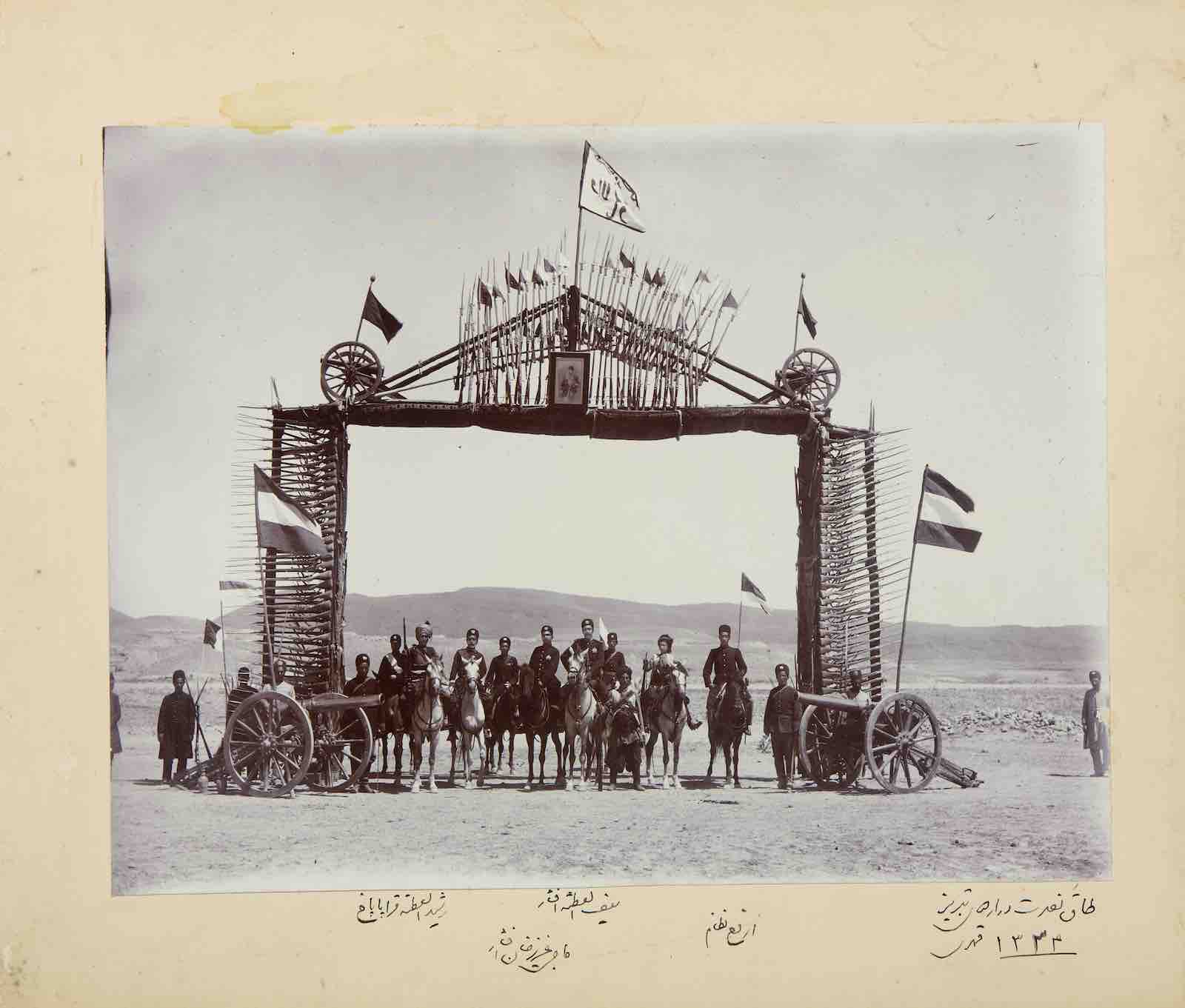
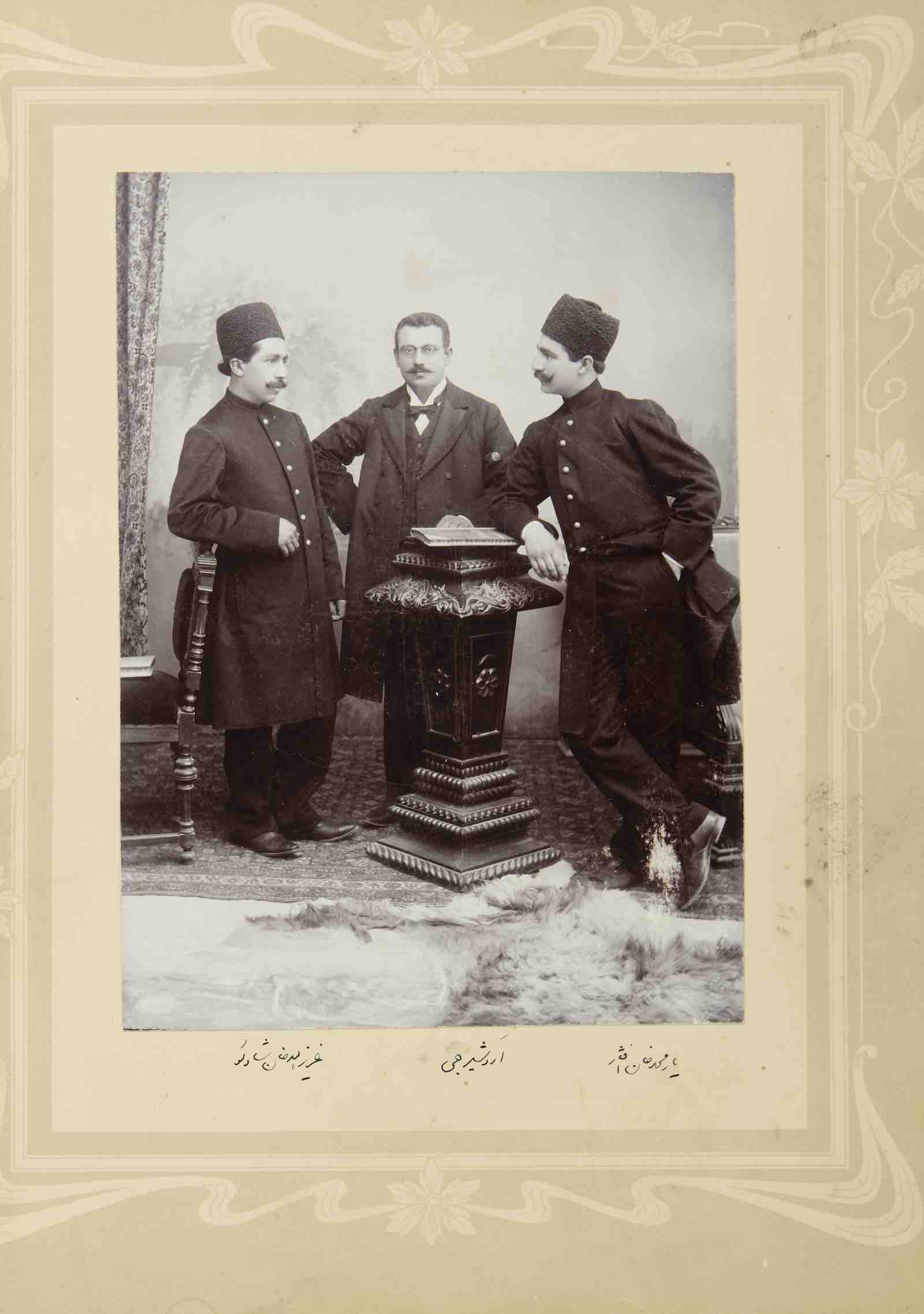
The photos were produced using early photographic processes such as collodion, albumen and matte silver prints. Many images are annotated in Persian ink with captions in Farsi and Russian detailing names of sitters and photographers, the photo studios they were printed in, and biographical detail.

Arch of Triumph in Tabriz encampment
1/5
Roseberys

Arch of Triumph in Tabriz encampment

Center, British Agent Sir Ardeshir Ji Reporter (1865–1932)
2/5
Roseberys

Center, British Agent Sir Ardeshir Ji Reporter (1865–1932)

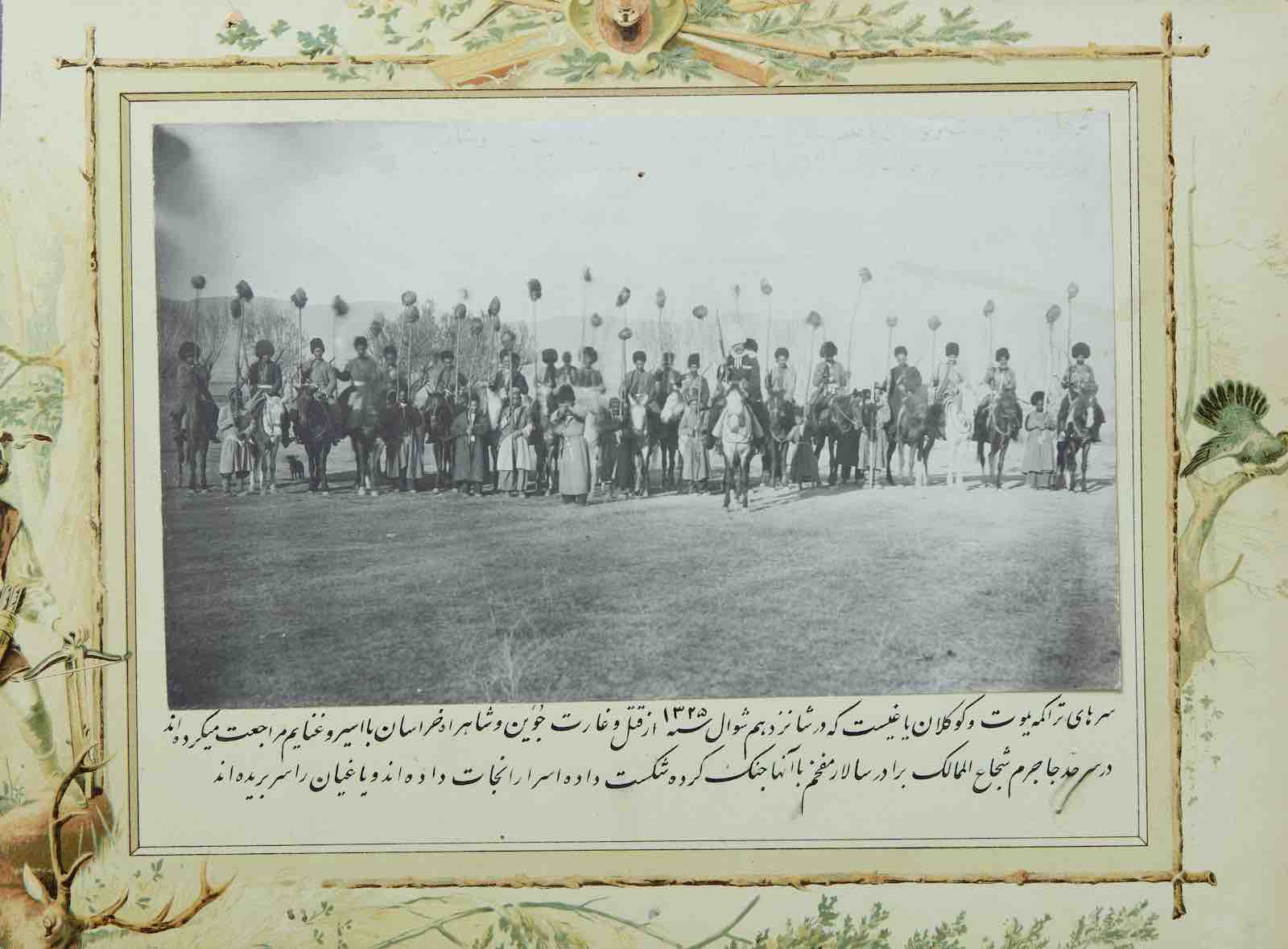
Heads of Yomut and Goklen Turkmen
3/5
Roseberys

Heads of Yomut and Goklen Turkmen

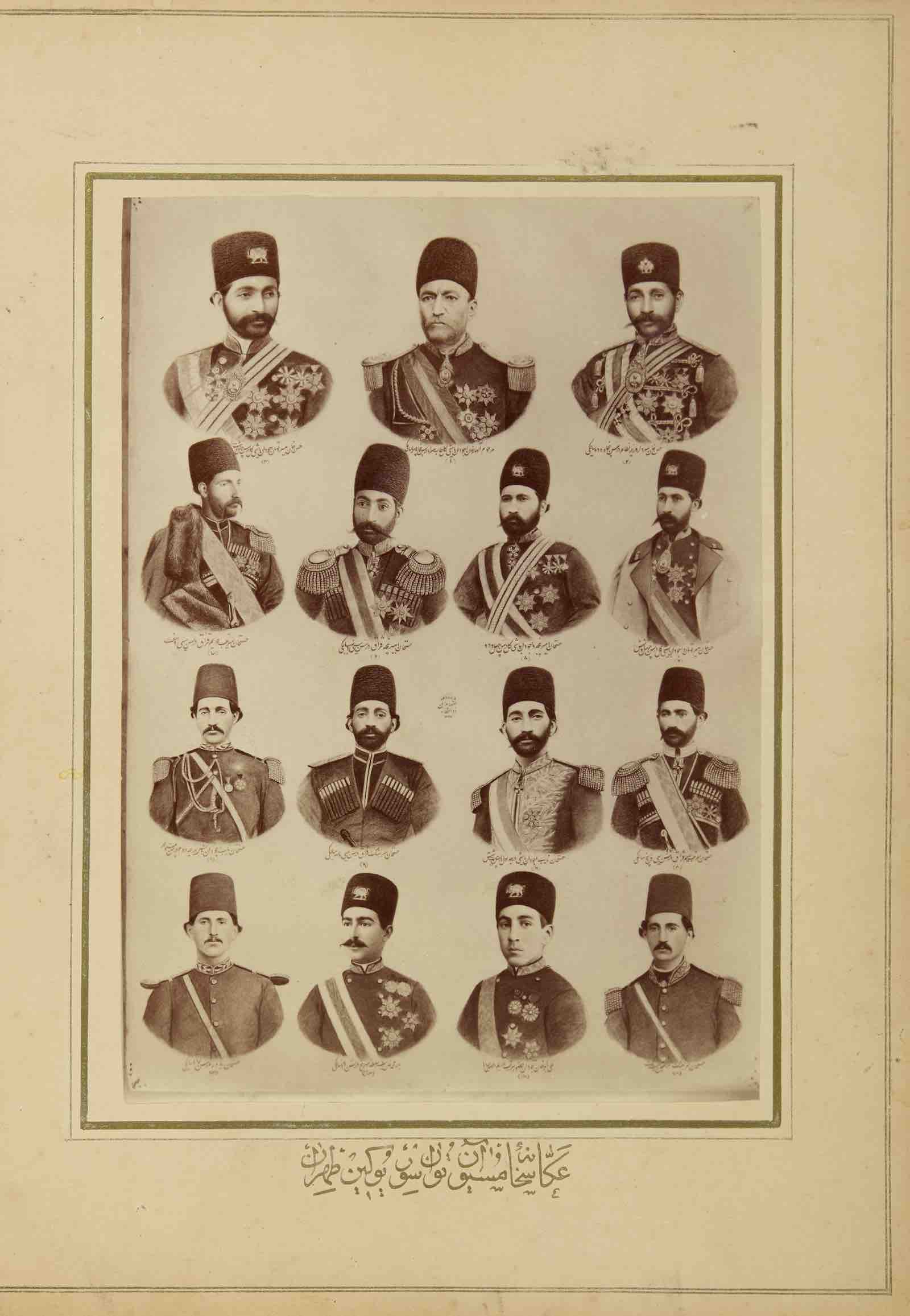
Iranian army portraits from the photo studio of Antoin Sevrugin
4/5
Roseberys

Iranian army portraits from the photo studio of Antoin Sevrugin

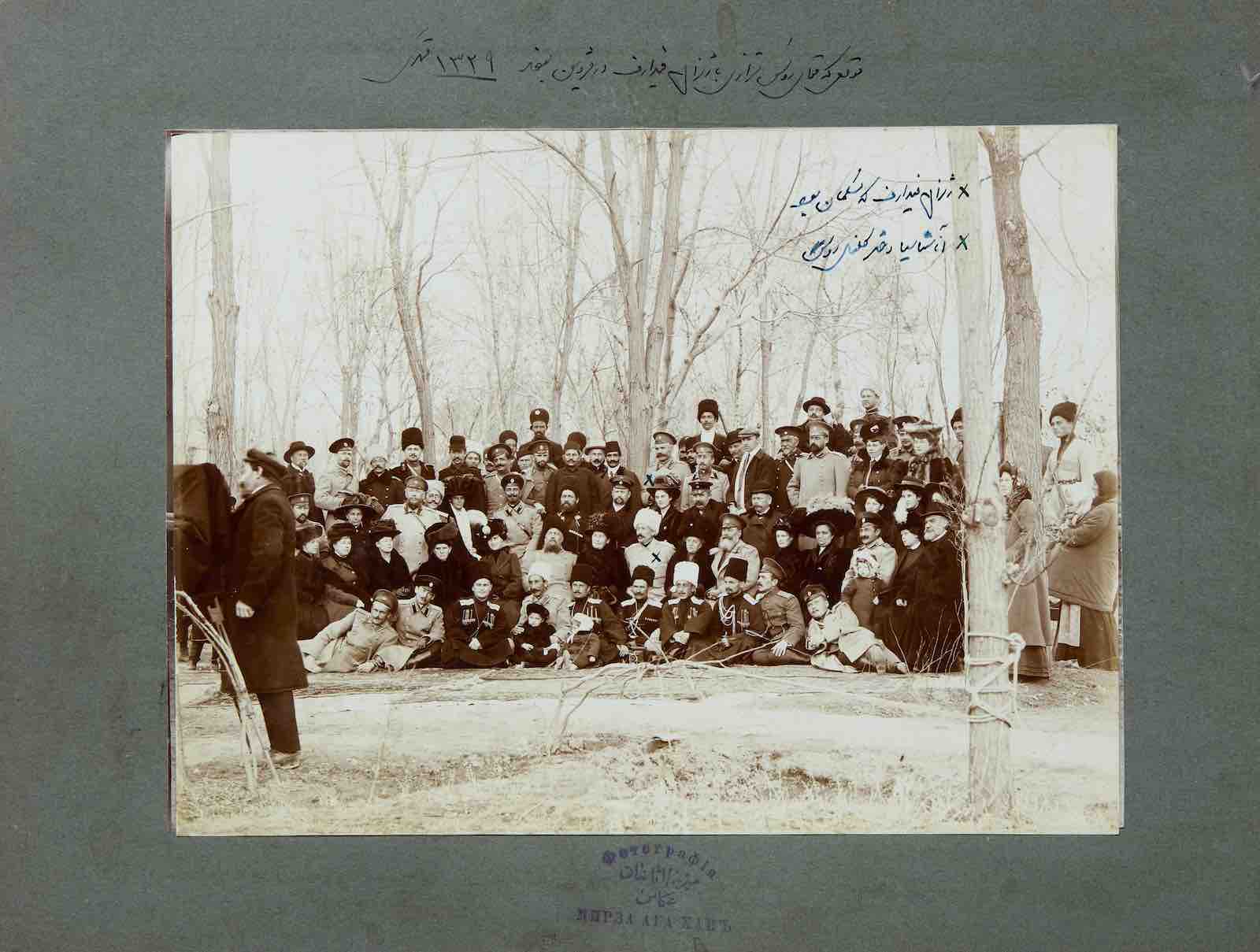
Tsarist Russian generals, soldiers and diplomats
5/5
Roseberys

Tsarist Russian generals, soldiers and diplomats

The albums include portraits of some of the era’s most significant figures. Antoin Sevruguin, an Armenian-Iranian photographer, documented daily life, court ceremonies, and military events with remarkable clarity. Abdullah Mirza Qajar, a prince of the Qajar dynasty, is represented both behind the camera and in the images themselves, highlighting his dual role as photographer and insider to the royal court. 

The collection also features Russian diplomats and military figures including Ivan Alekseevich Zinoviev, a senior diplomat and orientalist who served as Director of the Asian Department of the Russian Ministry of Foreign Affairs and a member of the State Council. British agents, such as Sir Ardeshir Ji Reporter, who worked clandestinely for British intelligence, are captured in moments that illustrate foreign involvement in Iran’s internal affairs in the early 20th century. 

Some of these images represent the earliest examples of journalistic photography in Iran. Given the photographers’ close access to military events and Russian troops, they may have been produced as diplomatic gifts or presented to foreign dignitaries, though their precise origins remain unknown.